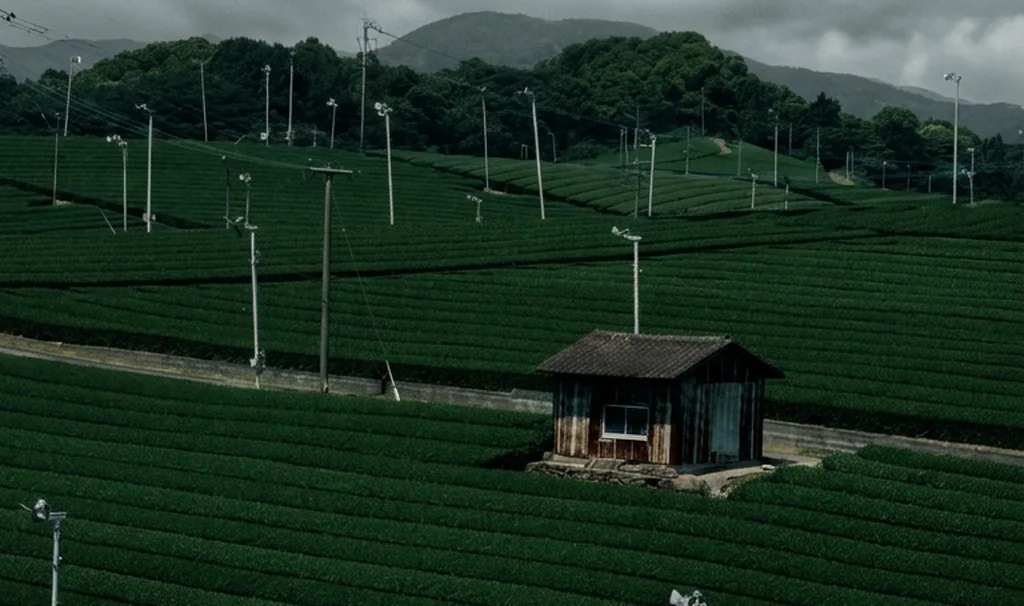
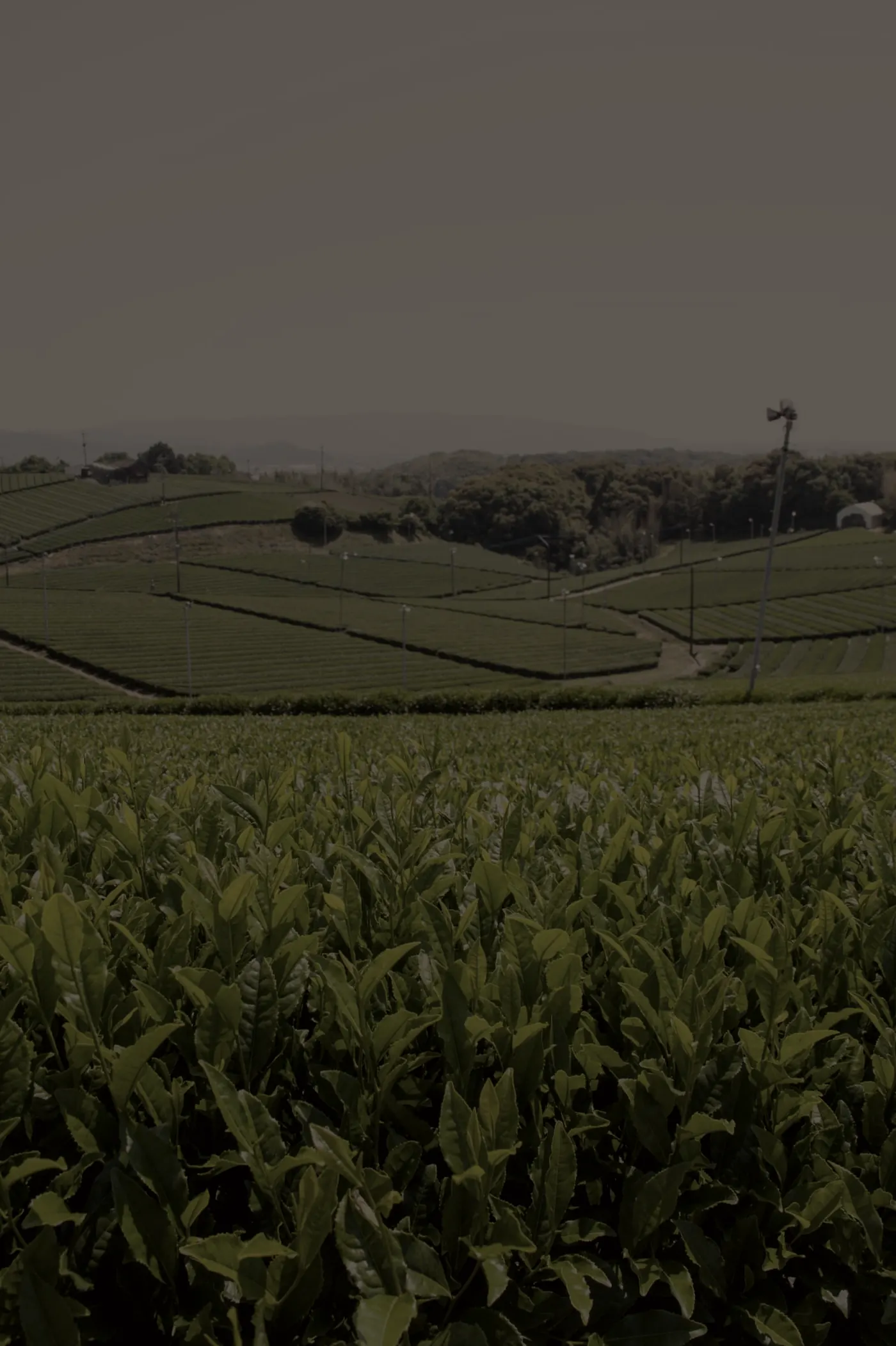
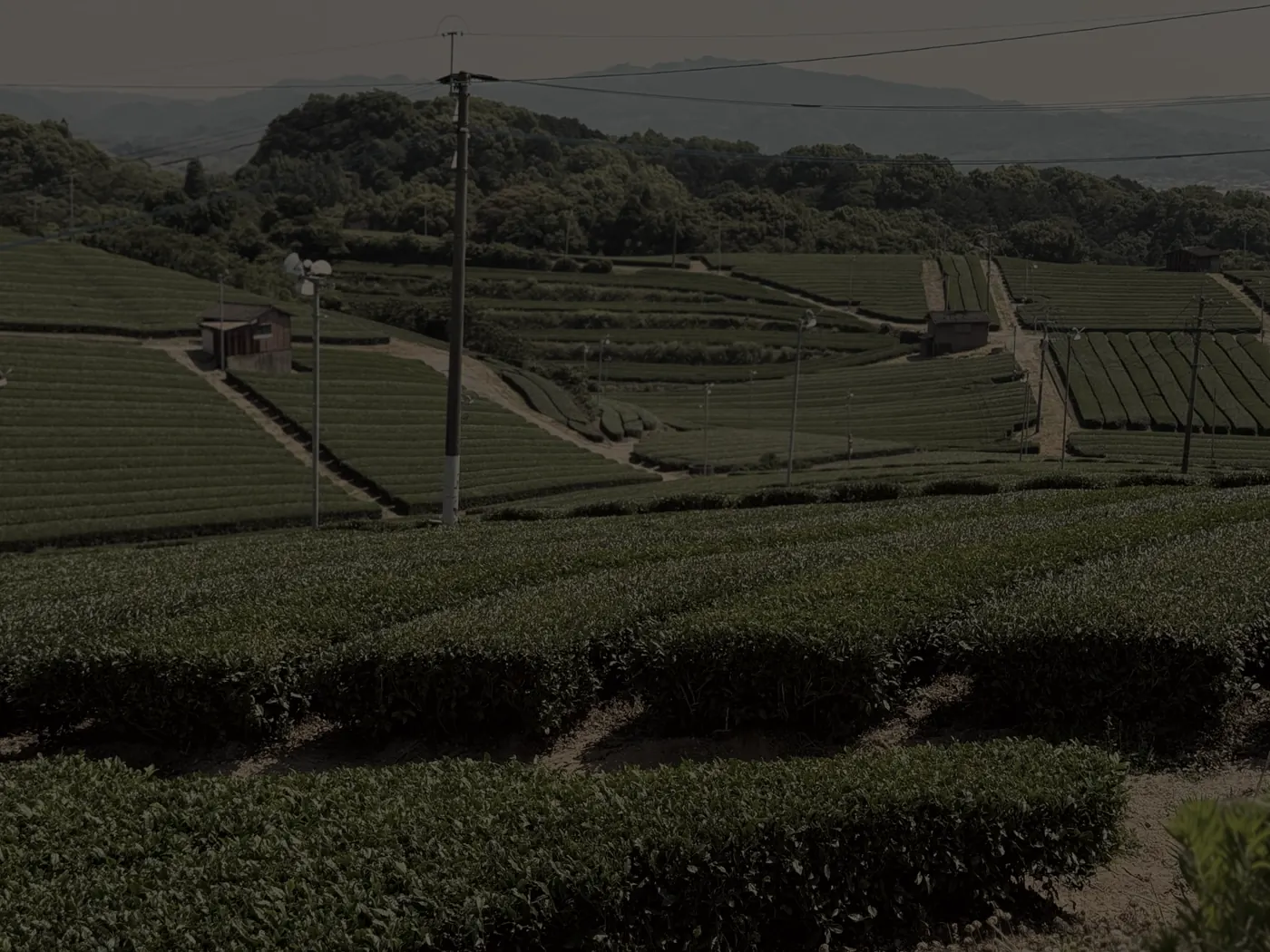
Tea fields in the hills of Yame, Fukuoka

Reference

Learn

Yame, Fukuoka

The places, the language, the cultivation, the preparation and the traditions that surround Japanese matcha — written slowly, and only where we can stand behind it.

01

Place

What Is Yame Matcha?

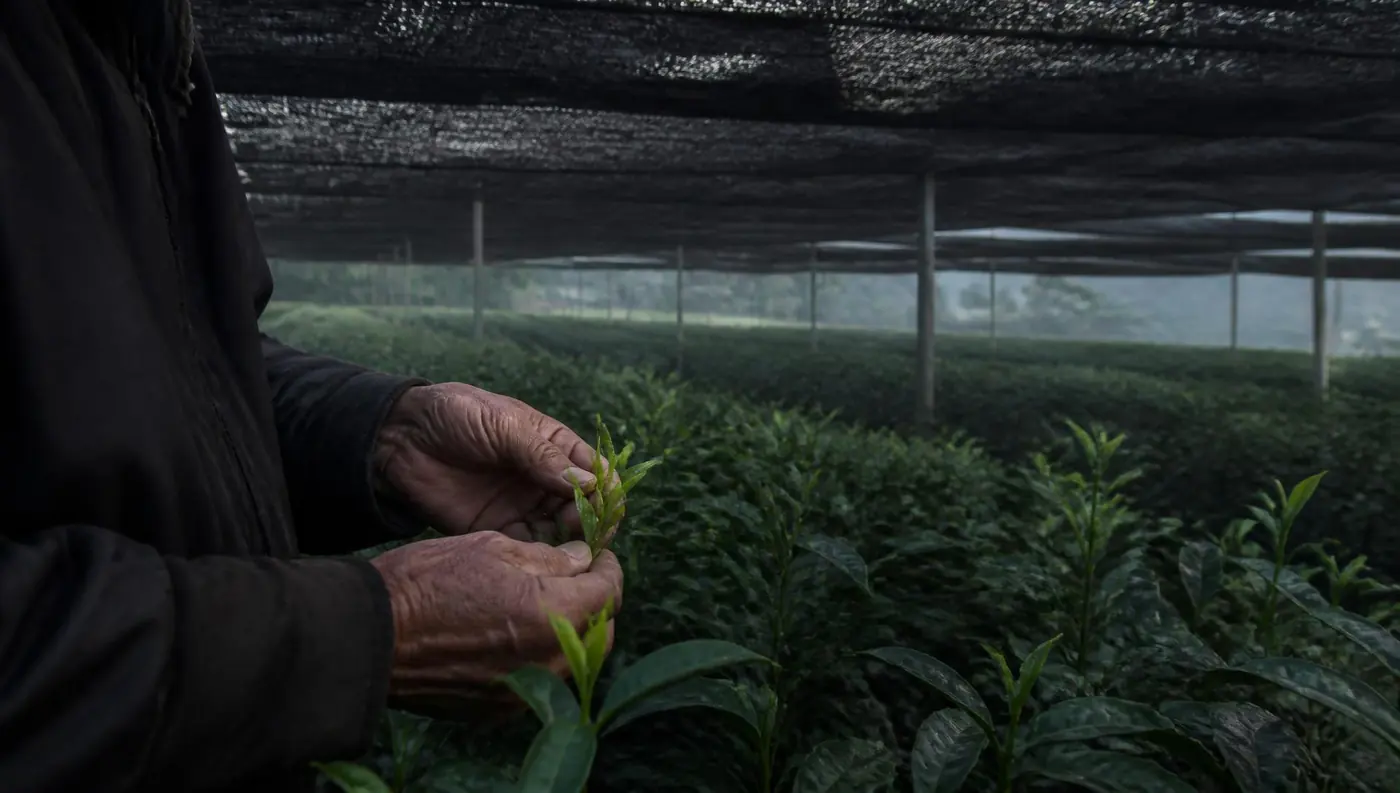
Yame sits in southern Fukuoka Prefecture, on Kyushu — a district with six centuries of tea behind it and a national reputation built on gyokuro. An account of the terrain, the tradition, what first harvest means, and how shaded leaf becomes tencha and then matcha.

Read
02

Language

Ceremonial Grade Matcha: What Does It Actually Mean?

What people mean when they say ceremonial grade, what we could and could not find in Japan's official standards for such a category, and the characteristics — provenance, harvest, processing, aroma and colour — that tell you more than the word on the tin.

Read
03

Cost

Why Does High-Quality Matcha Cost More?

An examination of what actually creates cost in premium matcha — shaded cultivation, first-harvest timing, tencha processing and slow milling, a contracting Japanese tea industry, and today's market pressure — and how those factors relate to what Shishū sources and sells.

Read
04

Market

Why Is Matcha Getting More Expensive?

A measured look at what has actually moved matcha prices: raw tencha auction results, export growth, processing and milling bottlenecks, a shrinking tea-farming base, and present demand pressure — separated out plainly, without shortage panic or oversimplified price claims.

Read
05

Comparison

Is Matcha Better Than Coffee?

A careful comparison of caffeine content, L-theanine, the evidence on focus and attention, the long-term health research behind each drink, and the practical differences in how they are made and taken — without declaring a simplistic winner.

Read

More will be added as it is written. In the meantime, the tea itself is in the collection.